A practical checklist for planning an event shade hire—site access, timelines, safety, and what makes setup smoother on the day.
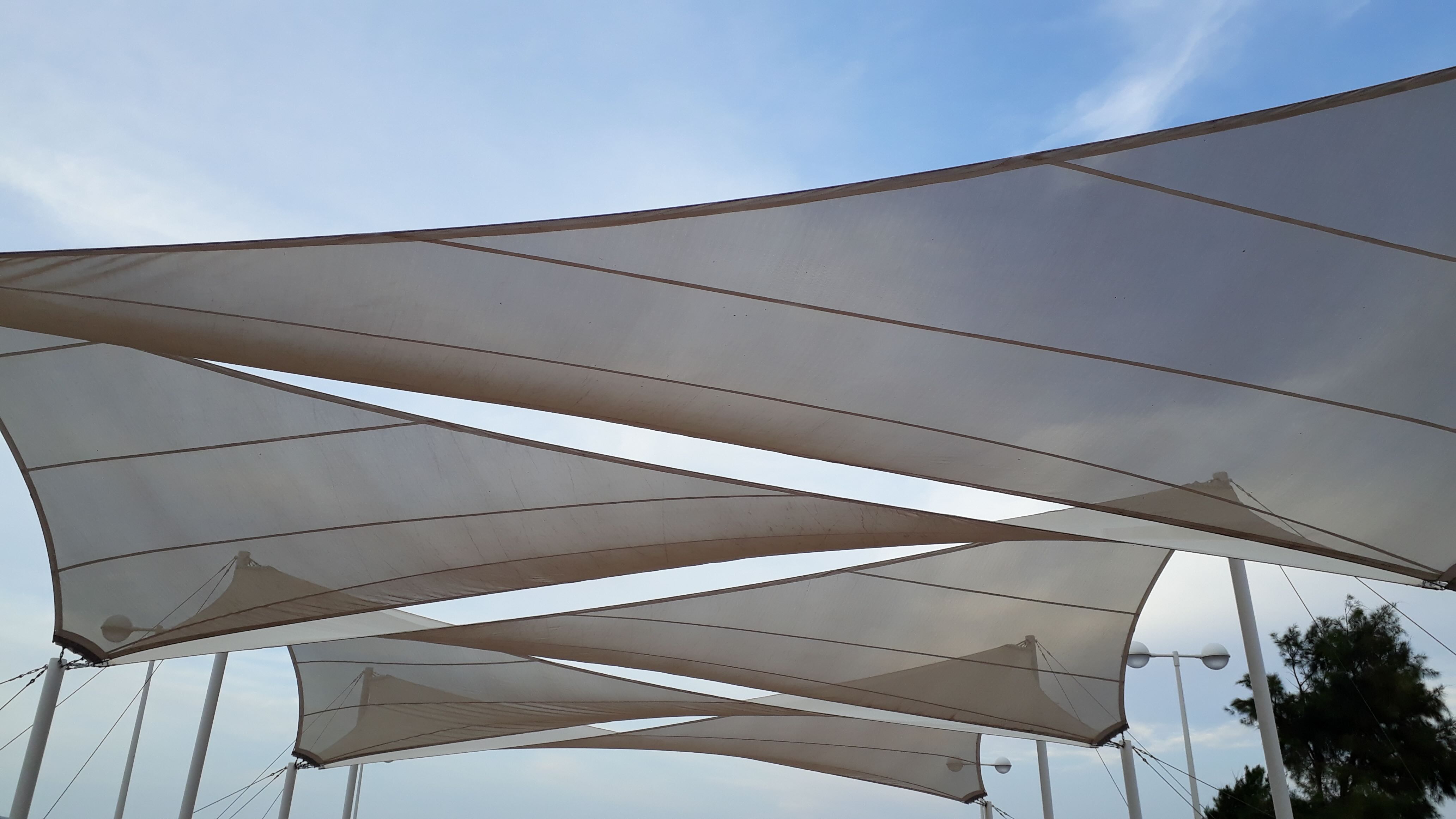
Hiring temporary shade for an event is often one of those tasks that gets left until late in the planning process—right up until you realise it affects access, layout, power, fencing, bump-in schedules, and safety management. The good news is that event shade can be straightforward when you plan for a few key details early. A short pre-install checklist will save time on the day, reduce surprises, and help your team (and suppliers) work efficiently.
Before thinking about size, clarify what the shade is actually doing. Is it covering seating, a food and beverage zone, a queue line, a stage-side area, or a VIP activation? Each zone has different needs for clearance, sightlines, and traffic flow. From there, confirm the footprint available on the ground—remembering that shade structures often require space beyond the canopy itself for posts, anchors, tie-downs, and safe setbacks.
Temporary shade systems still need secure anchoring. The surface type (grass, compacted soil, pavers, concrete, or mixed ground) and what’s underneath it (services, irrigation, or shallow footings) can influence the installation approach. Access is just as important: consider vehicle entry points, turning circles, load limits, and whether bump-in happens during busy public hours. If the site has tight access or hard time windows, flag it early so your installer can plan accordingly.
Event schedules are often compressed. If shade is installed too late, it can delay other suppliers; if installed too early, it can block deliveries or crowd setup areas. Coordinate the shade installation time with staging, fencing, toilets, and power so the site stays functional throughout the build. Also confirm who is responsible for removal and whether removal occurs immediately after the event or the following day.
For public events, safety is non-negotiable. Shade structures should be installed to relevant standards and engineered for appropriate wind conditions. Make sure your plan includes safe exclusion zones during installation, clear responsibilities for on-site supervision, and a process for weather monitoring if conditions change. If your event requires documentation for permits or venue compliance, request it early so you’re not chasing paperwork the week of the event.
Shade often supports comfort, but it can also improve functionality. If an area will operate into the evening, plan lighting. If shade is covering a service zone, consider power cable routes so they don’t become trip hazards. If the structure sits in a branded area, think about how the shade impacts signage visibility and the overall look and feel of the space.
With these details in place, event shade hire becomes a smooth, well-managed part of your event delivery—helping you protect guests, improve comfort, and create a more polished on-site experience.