Key considerations for school shade—coverage, durability, safety, and planning for long-term performance in Australian conditions.
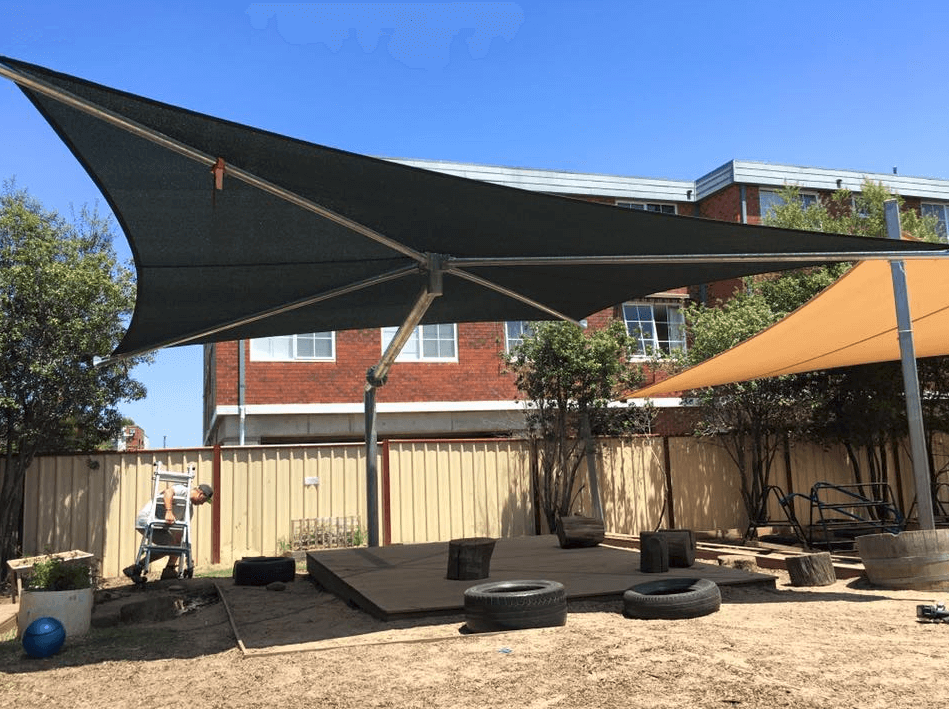
School and playground shade is one of the most practical investments a site can make. Done well, it creates more usable outdoor space, improves comfort in the sun, and supports safer, more inclusive play and learning. But shade design for schools is different to many commercial environments: it needs to handle constant daily use, withstand Australian UV and weather extremes, and meet the expectations of duty of care and compliance.
Good shade planning begins with understanding how the space is used. A play area needs shade coverage where children gather—slides, climbing structures, sand areas, and seating zones—rather than just an even blanket across the ground. Outdoor learning spaces may need a blend of shaded seating and clear zones for visibility. Walkways and drop-off points need shade that supports safe movement and reduces heat exposure during peak times.
Shade performance changes through the day and across seasons. Afternoon sun can be particularly harsh, and low-angle sun can reduce effective coverage if the structure is not oriented well. A site assessment helps determine the best position, height, and shape to maximise shade where it’s needed most. In some cases, layered or multi-point shade designs deliver better coverage than a single large sail.
School shade structures should be engineered for local wind conditions and installed to relevant standards. This isn’t just about structural integrity—it’s about risk management. Clearances, access controls during installation, and durable fixings all matter. If a project requires council approvals or specific documentation, it’s best to confirm early to avoid delays during the school term.
Schools are high-use environments. Fabrics and structural components should be selected for long-term exposure to UV, abrasion, and weather. Consider the practical realities: branches fall, balls hit canopies, and maintenance teams need access. A robust specification and a sensible maintenance plan (including periodic inspections and tension checks) can extend the life of the installation and keep the site safe.
Many schools grow and change. If budgets allow, design shade in a way that can be extended later. This might mean planning structural points for future additions, allowing for staged installation, or choosing configurations that can adapt to new play equipment and evolving space use.
Ultimately, the best school shade is the shade that supports real behaviour—where students gather, where teachers supervise, and where play happens every day. A practical, engineered approach ensures the shade looks good, performs reliably, and delivers long-term value.